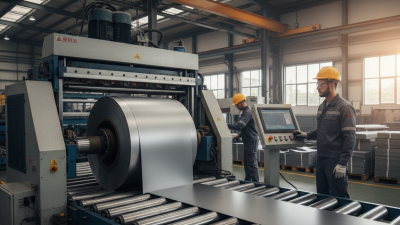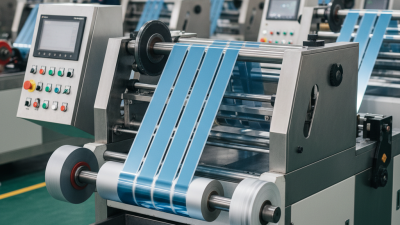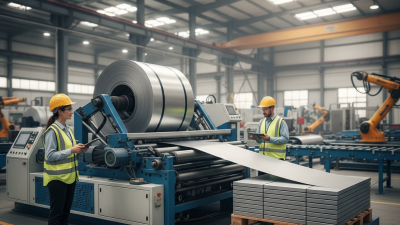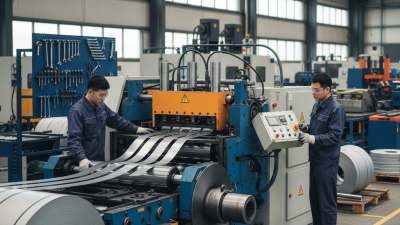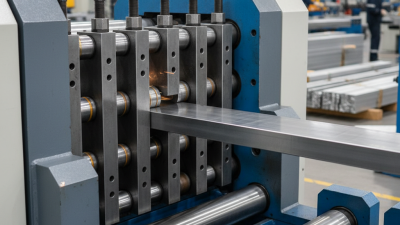

In the rapidly evolving manufacturing landscape, precision is paramount. An automatic cut to length machine plays a critical role in ensuring accuracy and efficiency in production lines. Industry reports indicate that companies utilizing advanced cutting technologies can enhance their productivity by up to 30% while reducing material waste significantly. Such machines are vital in sectors like metal fabrication and textiles, where precise dimensions are non-negotiable.
Experts emphasize that the choice of machinery directly affects the overall quality of finished products. Despite the advancements, challenges remain. Selecting the right automatic cut to length machine can be daunting, as factors like speed, adaptability, and integration with existing systems must be considered. Many businesses struggle with underperforming equipment, highlighting the need for careful evaluation.
Moreover, the rise of automation in manufacturing has not only streamlined operations but also raised questions about maintenance and skill gaps in the workforce. As companies transition to these cutting-edge machines, ongoing training and support will be essential. Only then can the true potential of automatic cut to length machines be fully realized, paving the way for both immediate gains and long-term success in manufacturing.
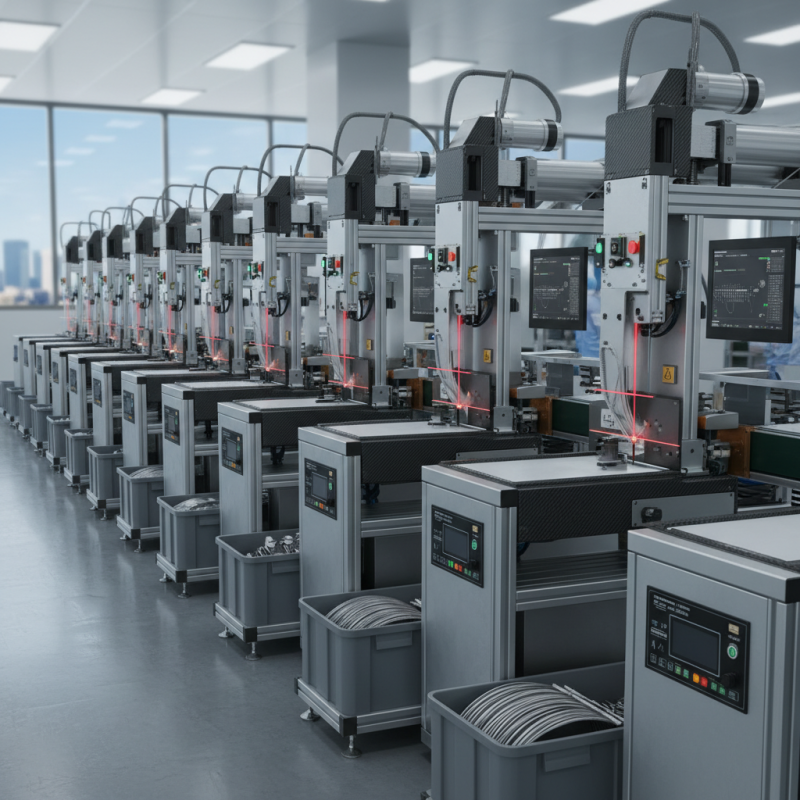
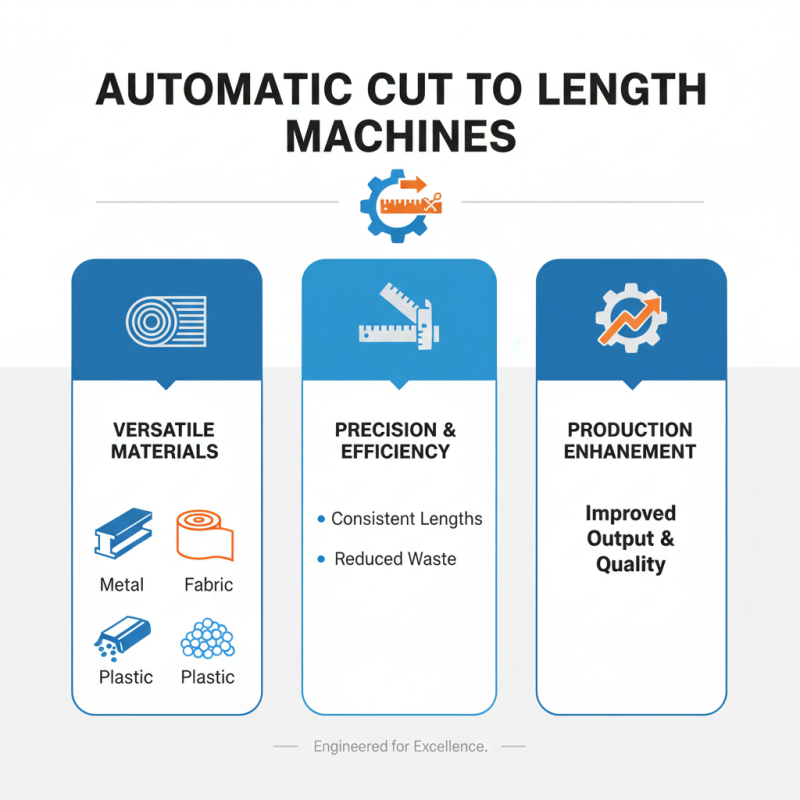
Automatic cut to length machines are designed for precision and efficiency. These machines can handle a variety of materials, including metal, fabric, and plastic. Each machine is engineered to provide consistent lengths and cuts, minimizing waste. Precision cutting can greatly enhance production processes.
Investing in an automatic cut to length machine can streamline operations. Operators appreciate the reduction in manual labor and the increase in accuracy. However, every machine has its limitations. It's crucial to consider the specific requirements of your application. Compatibility with materials is key.
Maintenance is another aspect to consider. Regular checks can prevent issues that hinder performance. Some machines may require calibration for optimal results. This means operators should be trained and competent in machine upkeep. Understanding these aspects enhances reliability and efficiency. Balancing precision and practicality is essential for successful operations.
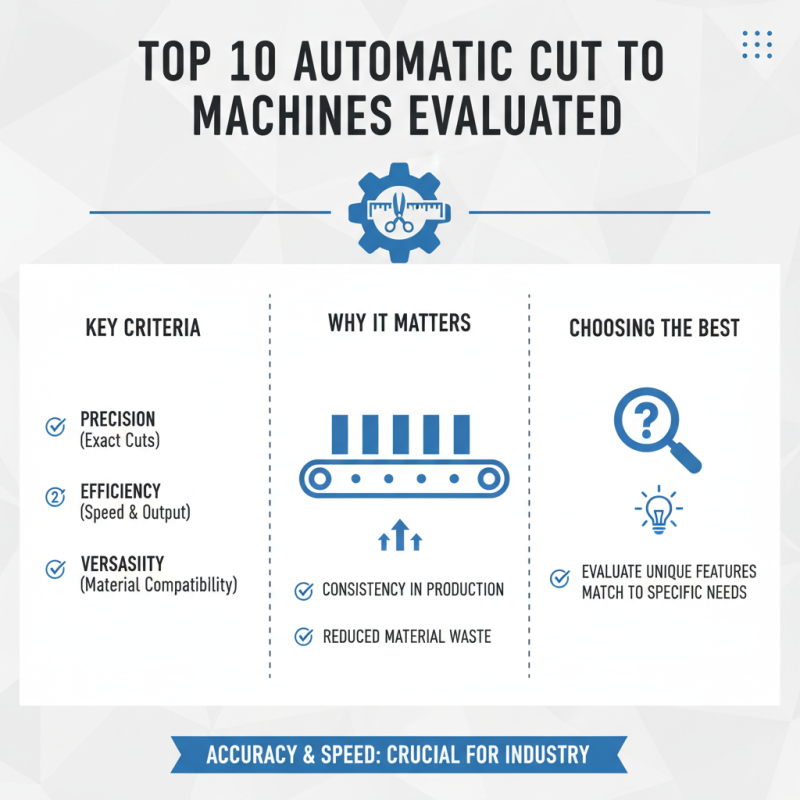
When selecting a precise cutting machine, key features greatly influence performance.
Speed and accuracy
are crucial. Machines should offer adjustable cutting speeds for various materials.
This feature enhances versatility across projects.
Moreover, look for machines equipped with advanced sensors.
These sensors help in maintaining accuracy, reducing material waste significantly.
Another important aspect is the ease of use.
User-friendly interfaces and clear instructions can improve efficiency.
A machine that offers quick setup and minimal training can be a game-changer.
Yet, not all machines deliver excellent user experiences. Some may have a steep learning curve, leading to potential frustration.
Durability matters too.
Machines made from strong materials withstand wear and tear better.
Look for those with warranties, as this indicates manufacturers' confidence.
However, keep in mind that high durability may come with higher costs.
Balancing quality and budget requires careful consideration. Ultimately, selecting the right machine involves understanding
these critical features while being aware of the challenges in making an informed choice.
When looking for the best automatic cut to length machines, precision is key. These machines efficiently cut materials to exact specifications, ensuring consistency in production. With various models available, each machine possesses unique features tailored for specific needs. Evaluating these options is crucial for industries that rely on accuracy and speed.
User reviews often highlight the importance of ease of use. Many machines require minimal training. Operators appreciate intuitive controls and clear displays. However, not all machines provide equal reliability. Some users report frequent adjustments due to misalignment. This points to the need for thorough testing before making a final purchase.
Moreover, maintenance can be a challenge. Regular upkeep ensures longevity and consistent performance. A machine that works well today might falter without proper care. It's wise to consider the support offered by manufacturers too. Accessible service can make a difference during downtime. Investing time in research can lead to better decision-making in the long run.
Cut to length machines are essential across various industries for ensuring precision in material processing. From metal fabrication to packaging, these machines streamline production lines. According to a recent industry report, up to 70% of manufacturers in the metal sector rely on these machines for accurate cutting. The efficiency boost they provide reduces waste and increases yield.
In the automotive industry, cut to length machines play a critical role. They help in producing specific component sizes needed for assembly. Industry statistics indicate that precise cutting can enhance parts compatibility, leading to a 15% reduction in assembly time. However, achieving this precision is not without challenges. Operators must regularly calibrate machines to maintain accuracy, which can sometimes lead to downtime.
Additionally, the textile industry employs these machines for cutting fabrics. Accurate lengths are crucial to minimize surplus fabric waste, a key concern for sustainable practices. Some reports suggest that using automatic cut to length machines can decrease waste by up to 30%. Yet, factors like machine speed and material type can affect cutting quality, necessitating ongoing adjustments and operator training.
In the realm of automatic cut to length machines, efficiency and performance are key metrics to compare. Each machine's speed can significantly impact a production line. High-speed cutting machines can increase productivity, but they may sacrifice precision. Ensuring accurate cuts is critical to reduce waste and save material costs.
Different machines use various technologies for cutting. Some employ laser technology while others use blade systems. Laser machines can provide cleaner cuts but may require more maintenance. Blade systems, on the other hand, can operate faster but might need regular calibration. Regularly assessing machine performance helps identify adjustments needed for optimal efficiency.
Analyzing user feedback offers insights into real-world performance. Operators often report on ease of use and maintenance challenges. These subjective experiences can guide potential buyers. It’s essential to weigh technical specifications against practical user experiences. Balancing technical performance with operator satisfaction remains an ongoing challenge for manufacturers and buyers alike.