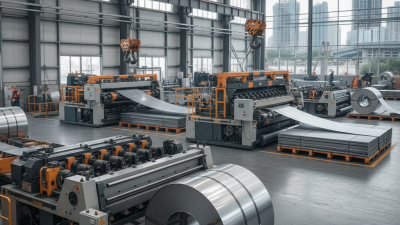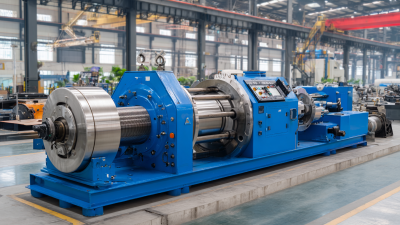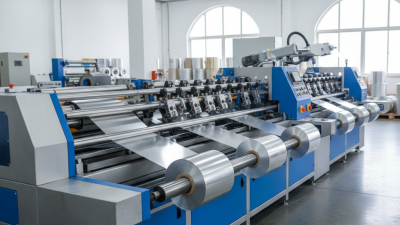

In today's competitive manufacturing landscape, the efficiency and effectiveness of production processes are paramount. The stainless steel slitting machine has emerged as a critical tool for businesses aiming to enhance their operations. According to a recent market research report by Technavio, the global stainless steel processing market is projected to grow at a CAGR of 4.89% from 2021 to 2025. This growth underscores the increasing reliance on advanced machinery, particularly stainless steel slitting machines, which provide precision and flexibility in cutting operations to meet diverse customer demands.
John Smith, a leading expert in metalworking technologies, states, "Investing in stainless steel slitting machines not only improves production efficiency but also significantly reduces waste materials." This sentiment is echoed by industry analysts who highlight that utilizing cutting-edge slitting technology can lead to a 25% reduction in materials costs due to its ability to maximize yield and minimize scrap. As manufacturers seek sustainable practices, the advantages of stainless steel slitting machines are becoming increasingly apparent, paving the way for innovations that can transform operational workflows and drive profit margins higher.
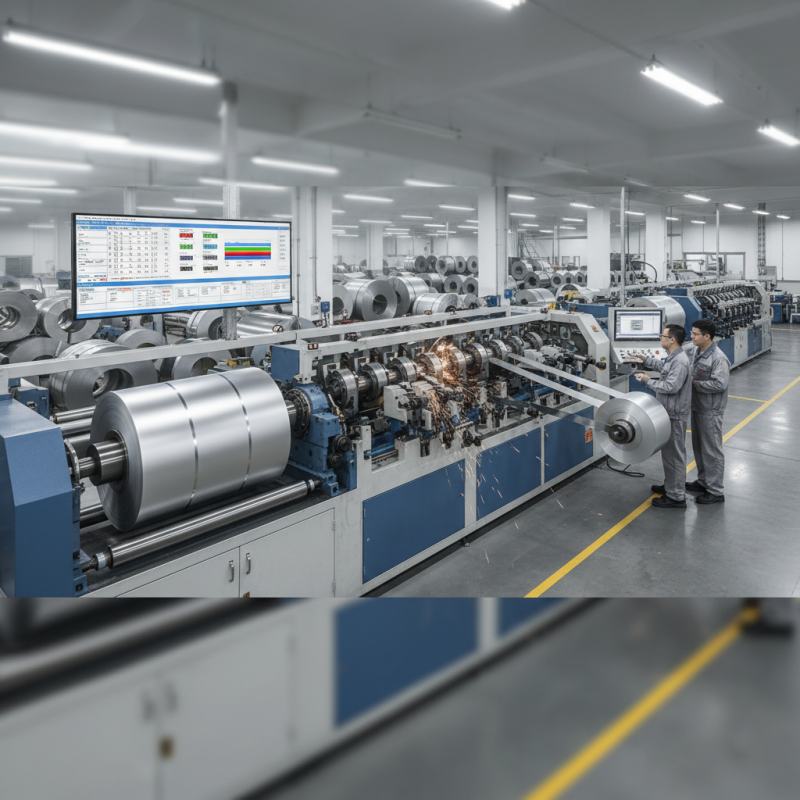
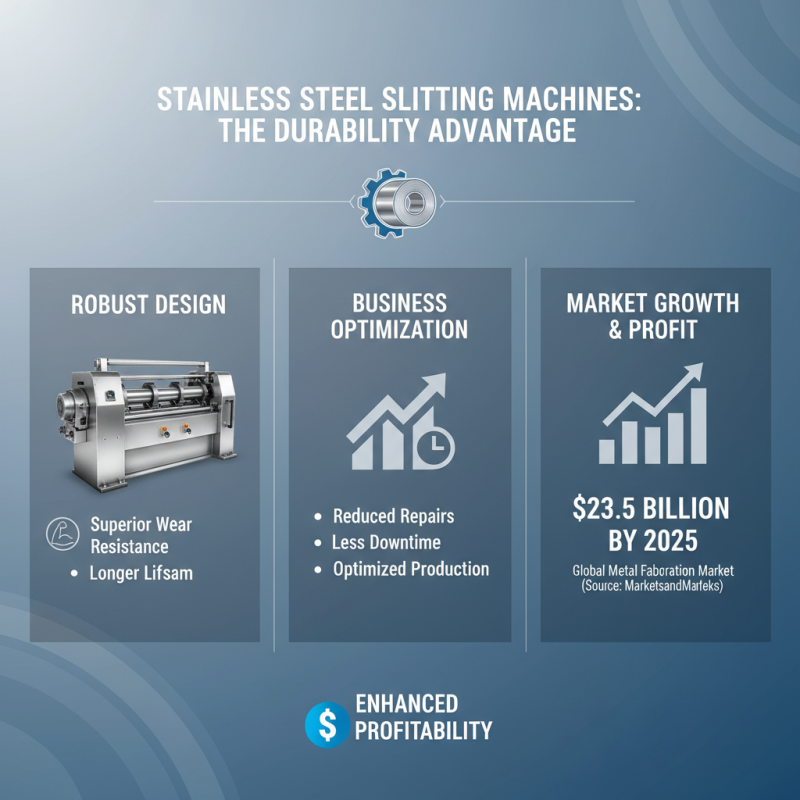
When it comes to stainless steel slitting machines, the durability of their design plays a crucial role in enhancing business operations. These machines, crafted from robust materials, showcase superior wear resistance and longevity compared to their counterparts made from less durable metals. According to a report by MarketsandMarkets, the global metal fabrication market is anticipated to reach $23.5 billion by 2025, largely driven by advancements in machine technology that emphasize durability and efficiency. Durable stainless steel slitting machines reduce the frequency of repairs and downtime, allowing businesses to optimize their production processes and ultimately enhance their profitability.
Furthermore, the resilient design of stainless steel slitting machines contributes to consistent product quality. A durability-focused design maintains the precision and accuracy of cuts over extended periods, essential for industries where material integrity is critical. Data from a recent industrial survey highlighted that companies investing in high-quality machinery experience up to a 30% increase in output efficiency and a significant reduction in waste due to fewer production errors. Such improvements underscore the importance of selecting machines built to last, as they not only promise reliable performance but significantly lower the long-term operational costs associated with equipment failure and replacement.
Cost-Effectiveness in Operations through Stainless Steel Slitting Technology
Stainless steel slitting machines have revolutionized the production processes of many businesses, delivering substantial cost savings. According to a recent industry report, businesses utilizing modern slitting technology can reduce their material waste by up to 15%, translating into significant savings in raw material costs. Moreover, the automation in these machines allows for higher throughput rates, increasing efficiency and ultimately lowering operational costs. With the ability to handle different thicknesses and widths, stainless steel slitting machines provide versatility that helps businesses adapt quickly to market demands without incurring high reconfiguration fees.
Tips for maximizing cost-effectiveness include regular maintenance of slitting machines to ensure optimal performance and longevity. Keeping machinery in top condition can prevent costly breakdowns and unexpected shutdowns. Additionally, training staff on the proper operation of these machines can enhance productivity, as skilled operators are less likely to make mistakes that lead to material waste. By investing in employee training, businesses not only optimize their machinery's performance but also foster a more efficient work environment.
Furthermore, analyzing slitting patterns and production schedules can lead to smarter decision-making regarding material usage. Industry experts recommend conducting regular audits of production processes to identify inefficiencies and areas for potential savings. By taking a proactive approach to operational efficiency, businesses can harness the full potential of stainless steel slitting technology, leading to sustained cost-effectiveness and improved profit margins.
The use of stainless steel slitting machines significantly enhances precision and quality control in various industrial applications. These machines are designed to cut stainless steel coils into narrower strips with exceptional accuracy. By employing advanced technology and engineering, they ensure that each cut is consistent in width and free from defects. This precision not only reduces material wastage but also enhances the overall product quality, leading to better performance in subsequent manufacturing processes.
Moreover, stainless steel slitting machines allow for tight tolerances and refined edge conditions, which are critical in industries where quality is paramount. The ability to produce flawless strips means that businesses can rely on their materials for structural integrity and aesthetics in their final products. As a result, companies that implement stainless steel slitting often experience increased customer satisfaction due to the superior quality of their offerings. This, in turn, can lead to stronger market positioning and long-term profitability.
The use of stainless steel slitting machines offers significant advantages, particularly in terms of maintenance requirements. Unlike their traditional counterparts, stainless steel machines are designed to withstand the rigors of heavy production demands with minimal upkeep. According to a report by the Metal Industries Association, manufacturers utilizing stainless steel equipment experienced a 25% reduction in maintenance-related downtime compared to those using other materials. This increased reliability not only streamlines operations but also allows businesses to focus on core production tasks rather than on continual repairs.
Furthermore, stainless steel slitting machines exhibit superior resistance to corrosion and wear, which inherently contributes to lower maintenance costs. A study published in the Journal of Manufacturing Science highlighted that stainless steel components have a lifespan up to 50% longer than those made from carbon steel, significantly reducing the frequency and expense of replacements. By investing in stainless steel slitting technology, businesses can realize a more sustainable operational model. The decreased need for repairs and replacements translates into lower labor costs and less downtime, enabling companies to achieve greater efficiency and throughput in their production processes.
| Benefit | Description | Impact on Business |
|---|---|---|
| Durability | Stainless steel machines resist corrosion and wear, ensuring longevity. | Reduced need for replacements, saving costs over time. |
| Lower Maintenance | Requires less frequent servicing compared to traditional machines. | Increased uptime and lower operational costs. |
| Quality Cutting | Provides precise cuts with minimal burr formation. | Improves product quality and reduces waste. |
| Efficiency | Higher operational speed than non-stainless alternatives. | Increased production capacity and profitability. |
| Versatility | Can handle a variety of materials and thicknesses. | Opens up new business opportunities and client base. |
| Safety | Modern designs include safety features to protect operators. | Reduces workplace injuries and insurance costs. |
| Environmental Efficiency | Stainless steel is recyclable and has a lower environmental impact. | Enhances company's sustainability profile. |
| Cost-Effectiveness | Though initially expensive, lower maintenance and durability reduce overall costs. | Improves long-term financial health. |
| Enhanced Aesthetics | Stainless steel offers a modern, clean look. | Can attract upscale clients and projects. |
| Innovation | Supports latest technologies in slitting and cutting. | Keeps business competitive in the market. |
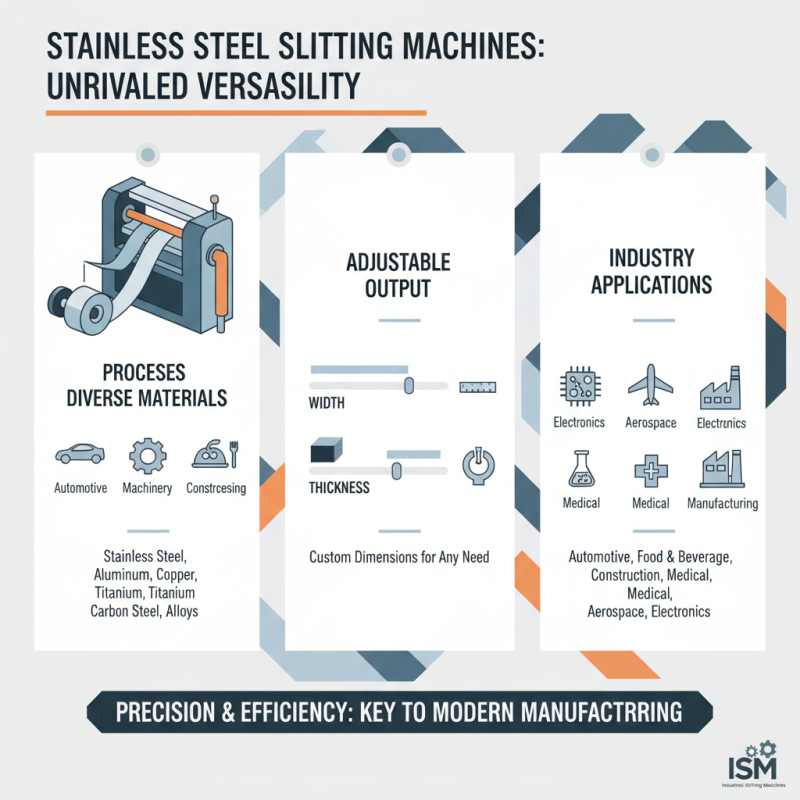
Stainless steel slitting machines provide unparalleled versatility and adaptability, making them essential across various industries. These machines are designed to process a wide range of materials, not just stainless steel, which enables businesses to meet diverse production demands. From automotive components to food processing equipment, the ability to adjust the width and thickness of the slitted materials allows manufacturers to tailor their output to specific requirements without compromising on quality. This flexibility is crucial in today's fast-paced market where customization and efficiency are key to staying competitive.
Furthermore, the durability of stainless steel machinery ensures long-lasting performance in various industrial environments. Whether used in construction, manufacturing, or even in specialized sectors like medical equipment production, these machines withstand harsh conditions. Their adaptability allows for quick reconfiguration to handle different materials or product specifications, facilitating smoother transitions between projects. This capability not only optimizes production workflows but also helps businesses save time and reduce operational costs, making stainless steel slitting machines a valuable investment for any operation seeking to enhance its production efficiency.