

In the realm of industrial power distribution, the choice of transformer plays a crucial role. An Oil-Immersed Transformer is a commonly used solution. Its design offers unique advantages that elevate its performance in demanding environments.
One of the standout features is its efficiency in heat dissipation. The oil acts as an excellent coolant, ensuring that the transformer operates at optimal temperatures. This reliability is essential for industries that cannot afford downtime. Oil-Immersed Transformers typically show lower maintenance costs. They are designed for longevity and can operate effectively under varying loads.
However, some may overlook potential challenges. For instance, monitoring oil levels and maintaining safety standards is crucial. Regular checks can prevent potential hazards associated with oil leaks or degradation. Embracing the benefits of Oil-Immersed Transformers requires awareness of these responsibilities. Ultimately, their capacity for high performance and reliability makes them an attractive choice for many industries.
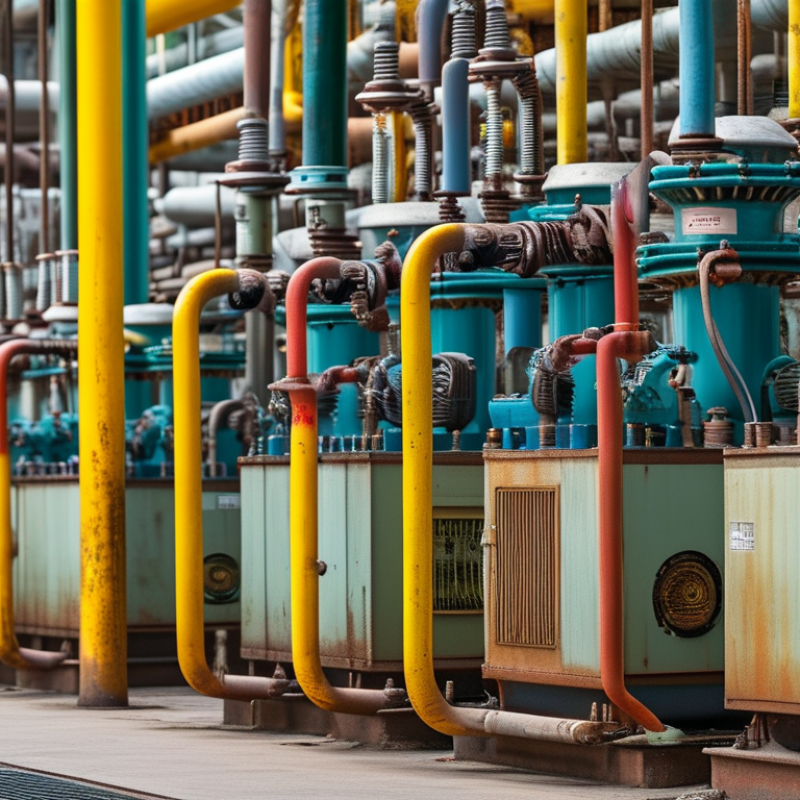
Oil-immersed transformers offer tangible advantages for industrial applications. Their design allows for effective heat dissipation, which enhances operational efficiency. Many studies indicate that these transformers have a lower failure rate compared to dry-type transformers. For instance, a report from the International Energy Agency noted that oil-immersed units can operate under high temperatures for longer periods without significant degradation.
Another key benefit is their enhanced insulation properties. Oil serves as an excellent insulator, protecting against short circuits and electrical breakdowns. The IEEE Standard 62 highlights that oil-immersed transformers can withstand frequent overloads. This reliability is crucial for industries that cannot afford downtimes. However, they do require regular maintenance to monitor oil levels and quality, which can sometimes be overlooked, leading to potential risks.
The adaptability of oil-immersed transformers in various environments is noteworthy. Whether in heavy manufacturing or utilities, they offer flexibility in placement and operation. Nevertheless, proper housing and environmental considerations are vital. There are instances where leaks can occur, posing environmental hazards. Therefore, responsible handling and installation practices are essential to mitigate any negative impacts.
| Benefit | Description | Applications |
|---|---|---|
| High Efficiency | Oil-immersed transformers have a lower energy loss during operation, leading to better performance. | Industrial power distribution |
| Better Cooling | The oil serves as a coolant, dissipating heat more effectively than air-cooled systems. | Large manufacturing plants |
| Durability | Designed to withstand harsh environmental conditions, extending their lifespan. | Heavy industries |
| Reduced Risk of Fire | Oil-filled transformers are less likely to ignite compared to dry-type transformers. | Power stations |
| Less Maintenance | Require less frequent maintenance and servicing due to their robust design. | Remote areas with limited access |
Oil-immersed transformers have gained popularity in various industries due to their enhanced efficiency and performance. These transformers operate under oil, which serves both as an insulator and a cooling medium. According to recent studies, oil-immersed transformers can operate at thermal efficiencies of up to 99.5%. This efficiency level is critical in reducing energy losses, ultimately lowering operational costs for industries.
The cooling properties of oil allow for effective heat dissipation. In industrial settings, managing heat is vital. Excess heat can impair transformer performance. The oil immersion keeps the transformer running at optimal temperatures, ensuring longevity. A report by the International Energy Agency highlights that efficient transformers can reduce energy consumption by 15-20%. This improvement directly impacts overall productivity in manufacturing and other sectors.
Tip: Regular maintenance is vital for oil-immersed transformers. Monitor oil quality often, as impurities can decrease efficiency. Small leaks may also lead to costly failures. Early detection is key. Additionally, document performance metrics to identify trends over time. This data can help in making informed decisions about upgrades or replacements.
Oil-immersed transformers offer significant advantages, especially in thermal management. These transformers operate with a cooling method that uses oil as a coolant. The oil absorbs heat generated during operation. This process prevents overheating, which can damage electrical components. When the temperature of the transformer rises, the oil circulates, efficiently dispersing heat.
In many industrial settings, maintaining optimal temperature is critical. High temperatures can lead to decreased efficiency and longevity of the transformer. Oil acts not only as a coolant but also as an insulator, enhancing operating conditions. This combination of cooling and insulation minimizes the risk of electrical failures, which is essential for production continuity.
However, there are some challenges. Proper maintenance of oil quality is necessary. Contaminated oil can compromise cooling performance. Regular monitoring and testing are essential to ensure reliability. Also, the initial setup costs may be higher compared to dry-type transformers. Industries must weigh these factors carefully.
Oil-immersed transformers offer significant advantages in reducing environmental impact. Their design allows for efficient cooling and minimizes energy losses. This efficiency leads to less waste heat generated during operation. Consequently, industries can contribute to lower carbon emissions while meeting energy demands.
The use of mineral oil in these transformers can be a concern. If leaks occur, they may have harmful effects on soil and water. Nevertheless, many manufacturers now utilize biodegradable oils, which are safer for the environment. These oils breakdown more quickly in natural settings, mitigating potential ecological damage.
Regular maintenance is vital to prevent leaks and ensure longevity. Proper practices can minimize the risk of any impacts. While the technology is advanced, users must remain vigilant. Maintaining the transformer’s integrity protects both the environment and operations. Fostering awareness and continuous improvement in practices can lead to better outcomes.
Oil-immersed transformers offer notable cost-effectiveness in long-term industrial use. Their ability to operate efficiently under varying loads can lead to significant savings over time. Unlike air-insulated transformers, these units provide better cooling through oil immersion. This enhances their performance and longevity, reducing the need for frequent replacements.
Maintenance costs are also lower for oil-immersed transformers. Regular inspections and servicing keep them running smoothly, yet they require less frequent intervention. Operators can focus on production rather than dealing with transformer issues. The initial investment might be higher, but the economic benefits unfold progressively.
Challenges do exist with oil-immersed systems. For instance, the risk of oil leaks requires diligent monitoring. Safety measures must be in place to mitigate this risk. Despite these concerns, the overall economic advantages often outweigh the drawbacks. Industries can typically find a reliable balance between cost and assurance of performance over time.
This chart illustrates the key benefits of oil-immersed transformers in industrial applications, focusing on their cost-effectiveness, maintenance efficiency, and longevity. The data indicates that over a 20-year period, oil-immersed transformers provide significant savings and operational advantages compared to dry-type transformers.
