

Scroll Top
4801 Bennett Rd. Toledo, Ohio 43612

What is an Adjusting Rod and How Does it Work?

In the world of precision engineering, the "Adjusting Rod" holds a significant place. Renowned expert Dr. Emily Harper states, "An Adjusting Rod is essential for achieving accurate measurements." This tool plays a vital role in various applications, from construction to machinery calibration. Understanding its mechanics can enhance efficiency and precision.

An Adjusting Rod is a slender, often metal rod. It allows for fine adjustments to different mechanical elements. This versatility makes it invaluable in ensuring the correct alignment of parts. Many engineers, however, overlook its importance. They may resort to trial and error, missing out on potential efficiencies.

The simplicity of the Adjusting Rod can be deceptive. Without knowledge of its functionality, users may struggle. It's crucial to learn how this tool operates, as misapplication can lead to errors. The journey to mastering the Adjusting Rod requires patience and practice. Embracing this tool can lead to greater precision in engineering tasks.
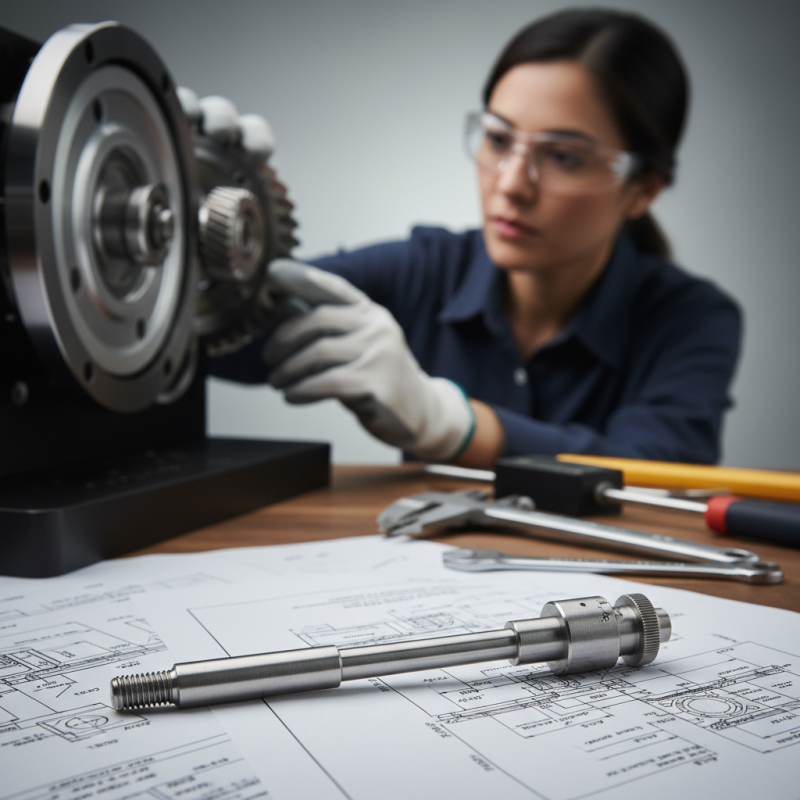
What is an Adjusting Rod and How Does it Work?

What is an Adjusting Rod: Definition and Purpose

An adjusting rod is a simple yet essential tool used in various applications. Its primary purpose is to create precise adjustments in mechanical systems. Often seen in construction and engineering, this rod allows users to fine-tune measurements. The design is typically straightforward. A long, straight piece with adjustable sections makes it versatile.

In operation, the adjusting rod works by extending or retracting its segments. This alters the length, enabling precise positioning of components like beams or pipes. Users can easily manipulate the rod for adjustments. However, achieving the perfect length can sometimes be tricky. Misalignment during adjustments is a common issue. Regular practice is necessary for users to gain confidence.

Despite its simplicity, the adjusting rod demands careful handling. Incorrect adjustments can lead to structural problems. Users should take time to measure accurately. It's not just about making a quick fix; it's about ensuring stability. Reflection on usage often leads to better techniques. Understanding its function is vital for maximizing effectiveness.

Components of an Adjusting Rod: Key Parts Explained

Adjusting rods are essential devices in various mechanical applications. They play a pivotal role in linking and controlling different components. Let's take a closer look at their key parts to understand their function better.

The main components of an adjusting rod include the shaft, end fittings, and adjustment mechanism. The shaft is usually made from durable materials. It allows for flexibility and strength. The end fittings are crucial; they connect the rod to other components. They can be designed for specific angles or movements. The adjustment mechanism is what allows users to fine-tune the position. It may involve screws or levers for manual adjustments.

Each part has a vital role. However, the assembly can sometimes be tricky. Misalignment can lead to inefficiencies. Users need to ensure that everything is properly aligned. Nonetheless, the process of fine-tuning often reveals hidden issues. This reflection on how each piece interacts can lead to improvements, enhancing overall performance. Proper understanding and maintenance are key for effectiveness.

What is an Adjusting Rod and How Does it Work? - Components of an Adjusting Rod: Key Parts Explained

Component Description Function
Adjusting Mechanism The part that allows the rod to be lengthened or shortened. To fine-tune positioning and alignment.
Guide Rod A rod that helps keep the adjusting mechanism in place. Ensures stability during adjustments.
Locking Mechanism A device that secures the rod at the desired length. Prevents accidental adjustments.
End Cap Protects the end of the rod. Provides safety and avoids damage.
Threaded Section Part of the rod with threads for adjustment. Allows for precise control when adjusting length.

How an Adjusting Rod Works: Mechanism and Functionality

An adjusting rod is a simple yet effective tool used in various mechanical applications. It plays a crucial role in achieving precise adjustments. The mechanism is straightforward. An adjusting rod typically consists of a long, slender piece of metal or other materials. It is designed to be manipulated manually. Users can lengthen or shorten the rod as needed. This ability to adjust makes it versatile for various tasks.

The functionality of an adjusting rod is apparent when considering its applications. In machinery, it helps align components accurately. In construction, it assists in leveling surfaces. The rod works by using a locking mechanism. This mechanism ensures that once adjusted, it stays in place. However, this is not always foolproof. Sometimes the locking mechanism may fail, leading to undesirable results.

The adjusting rod's effectiveness often relies on the user's knowledge. It's essential to understand how to apply the correct pressure. Over-tightening can damage the mechanism. Conversely, failing to tighten it adequately can cause misalignment. The balance between tension and flexibility is critical. Users should practice to master this balance for optimal performance.

Adjusting Rod Types and Their Performance Metrics

This chart displays the performance metrics of various types of adjusting rods. The performance rating ranges from 0 to 100, with higher values indicating better functionality and effectiveness.

Common Applications of Adjusting Rods in Various Industries

Adjusting rods play a vital role across various industries. They are key components in machinery that require precise adjustments. In manufacturing, adjusting rods help align parts for accurate assembly. This ensures quality control, which can reduce defects by up to 30% according to recent industry reports.


In construction, these rods aid in leveling frameworks during building projects. For instance, cranes use adjusting rods to stabilize loads. Proper use can enhance safety by preventing accidents caused by imbalanced loads. The construction industry sees improved efficiency through the use of these rods, leading to faster project completion.


Tip: Regular maintenance of adjusting rods can prevent equipment failures. This is crucial in high-stakes environments where downtime can be costly. A small adjustment can make a significant difference in performance.


The aerospace sector also benefits from adjusting rods. They are essential for wing alignment and control surfaces. The precision required in this industry demands high-quality components. However, not all adjusting rods meet required specifications. This inconsistency can lead to operational challenges. Evaluating your suppliers can help mitigate this risk.

Maintenance and Troubleshooting Tips for Adjusting Rods

Adjusting rods play an important role in maintaining proper tension and alignment. Regular maintenance is key to ensuring they function correctly. Check for any signs of wear or corrosion. Worn rods can lead to imbalances and affect the overall performance of your equipment.

To troubleshoot adjusting rods, start by inspecting the connections. Loose fittings can cause misalignment. Tighten any connections that seem off. Observe how the rod moves. If it operates too stiffly, it may need lubrication. A small amount can make a big difference here.

Sometimes, people overlook the basics. Not all adjustments are obvious. A creak or unusual sound could indicate a deeper issue. Reflect on these signs before they escalate. Addressing small problems early can save time and expense later on. Keep a routine check to avoid future complications.