

Scroll Top
4801 Bennett Rd. Toledo, Ohio 43612

2026 Top Industrial Automatic Transfer Switch Buying Guide?

In the fast-evolving world of energy management, selecting the right Industrial Automatic Transfer Switch (ATS) is crucial. Experts highlight its significance in ensuring seamless power supply during outages. John Smith, a renowned electrical engineer, states, "A reliable ATS can be the backbone of industrial operations." His insights reflect the critical role ATS plays in maintaining business continuity.

Choosing an ATS involves understanding specific needs. The industrial sector demands reliability and swift switching capabilities. Consider power ratings, voltage types, and whether you need manual overrides or automatic functions. Evaluating these factors can be challenging. An inadequate choice may lead to severe operational disruptions.

Additionally, inspecting manufacturer reputation and support services is essential. Many businesses overlook this, leading to faulty switches and costly repairs. Researching industry standards and compliance can also enhance decision-making. Investing time into understanding these components ultimately leads to a more informed choice. Not every switch performs well in every scenario, and the right fit is vital for your unique situation.
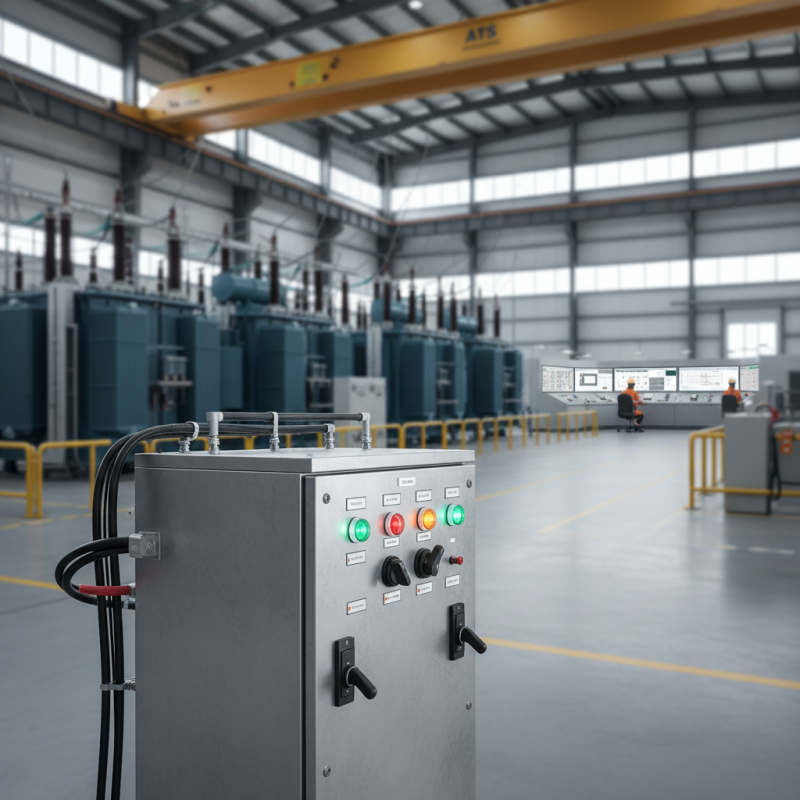
2026 Top Industrial Automatic Transfer Switch Buying Guide?

Understanding Automatic Transfer Switches: Definition and Functionality

An automatic transfer switch (ATS) is crucial in power management. This device automatically switches the power source to ensure continuous electricity supply. It detects outages or issues in the primary power line, prompting a seamless transition to a backup source. This action minimizes downtime and is vital for businesses reliant on uninterrupted power.

Understanding how ATS works is important for those in industrial settings. The transfer switch monitors the incoming power and assesses its quality. If it detects any irregularities, it engages the backup generator. This process occurs in seconds, often without human intervention. However, improper installation or maintenance can lead to failures. Regular check-ups are necessary for reliability.

The benefits of using an ATS include safety and efficiency. These devices protect equipment from voltage spikes and surges. However, relying solely on technology can be risky. Human error during operation or setup can negate the advantages of having an ATS. Therefore, proper training and awareness are essential for anyone working with these systems.

Key Features to Consider When Buying an Industrial Automatic Transfer Switch

When considering the purchase of an industrial automatic transfer switch (ATS), it's crucial to identify the key features that can impact performance. One essential aspect is the switch's transfer time. Faster transfer time can minimize downtime during power interruptions. Typically, a switch with a transfer time under 30 seconds is ideal for most operations.


Another important feature to evaluate is the switch's load capacity. Understanding your facility's power needs can help in choosing a switch that effectively manages your load requirements. A switch should not only meet current needs but also allow for future expansion. Additionally, consider the control options. Some switches offer advanced control systems that can enhance usability, providing remote monitoring and control capabilities.


Do not overlook the build quality and durability of the ATS. It should withstand harsh industrial environments and adhere to necessary safety standards. Researching the warranty and support offered can also provide insight into the reliability of the equipment. Keep in mind that a more expensive switch may be more beneficial in the long run if it means better performance and robustness. These considerations can lead to a more informed decision and improved reliability for your operations.

Comparative Analysis of Top Brands in the Market for 2026

In 2026, the industrial automatic transfer switch (ATS) market is projected to grow significantly. Research indicates a compound annual growth rate (CAGR) of over 8% over the next few years. This growth highlights the increasing demand for reliable power management systems. Choosing the right ATS is crucial for industrial applications. It's not just about switching power; it's about ensuring continuity and safety.

Several top brands offer distinct advantages in this competitive landscape. For example, one study indicates that brands with advanced monitoring capabilities often outperform their peers in reliability. This feature enables real-time diagnostics, which can prevent costly downtimes. However, some companies still struggle to implement these technologies effectively. Many lack the expertise needed to integrate advanced systems into existing infrastructures.

The materials and construction quality also vary widely among brands. According to industry reports, switches made from durable materials reduce maintenance needs. However, some manufacturers prioritize cost over quality, leading to issues down the line. Understanding the specifications and certifications is essential. Power density and response time are key factors that consumers need to assess closely. With a mindful approach, users can make informed decisions, avoiding pitfalls that less experienced buyers might encounter.

2026 Top Industrial Automatic Transfer Switch Performance Analysis

Installation and Maintenance Tips for Automatic Transfer Switches

When dealing with automatic transfer switches (ATS), proper installation and maintenance are crucial for optimal performance. According to industry studies, nearly 30% of power failures are due to improper ATS setups. A thorough installation begins with understanding load requirements. This often involves calculations to determine the switch's power handling capability. Installers should also assess the environment. Moisture or extreme temperatures can affect performance.

Routine maintenance is essential. Many experts recommend inspecting connections every six months. Loose connections can lead to overheating and failure. Circuit testing should be conducted regularly to ensure the ATS operates correctly. It's also beneficial to simulate a power failure to assess how the switch responds. In fact, 40% of ATS users fail to test their systems adequately, risking unexpected downtime.

In real-world applications, discrepancies in load calculations can occur. For instance, if a building expands and the load increases, the original ATS may become inadequate. This situation can result in equipment failure or damage. Users should track their ATS performance metrics to spot potential issues early. Regular review of system logs can provide insights into operational efficiency and possible maintenance needs.

Cost Factors and Budgeting for Your Automatic Transfer Switch Purchase

When considering the cost factors of an industrial automatic transfer switch (ATS), budgeting is crucial. Various elements affect the final price, including the size, capacity, and features of the switch. For instance, a higher capacity often means a higher upfront cost. Maintenance and installation costs should also be included in your budget. Neglecting these can lead to unexpected expenses later.

Tips: Determine your power needs accurately. Oversizing can lead to unnecessary costs.

Another factor is the type of transfer switch. Manual, automatic, and bypass transfer switches differ significantly in price. A fully automatic switch is generally more expensive but offers greater convenience and reliability. You may want to weigh the benefits against costs.

Tips: Research different types to find what fits your needs best.

Finally, consider the warranty and service agreements. They provide an added layer of security but might increase the purchase price. This investment pays off in peace of mind and longevity.

Tips: Always clarify warranty terms with your supplier to avoid surprises.

2026 Top Industrial Automatic Transfer Switch Buying Guide

Feature Description Cost Range (USD) Key Considerations
Power Rating Defines the maximum power output the switch can handle. $2,000 - $10,000 Choose based on your facility's peak load requirements.
Transfer Time Time taken for the switch to transfer power to backup source. $100 - $500 (increased cost for faster switches) Critical for operations requiring minimal downtime.
Load Management Ability to manage and prioritize load distribution. $500 - $3,000 Essential for efficient resource utilization during outages.
Enclosure Type Material and protection rating (NEMA) of the enclosure. $200 - $1,500 Choose based on installation environment (indoor/outdoor).
Control & Monitoring Features for remote monitoring and control capabilities. $300 - $1,200 Important for timely responses and preventive maintenance.