

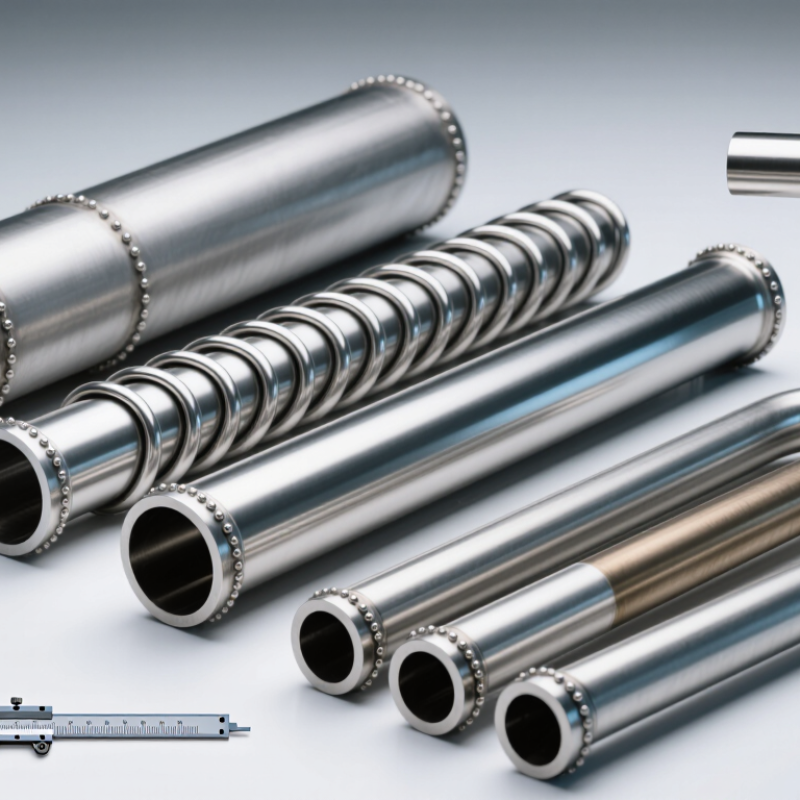
How to Choose the Right Stainless Steel Welded Pipe
Choosing stainless steel welded pipe starts with the service environment, not the lowest quotation. World Stainless reported 58.4 million tonnes of crude stainless steel production in 2023. This scale reflects broad demand, but it does not make every grade suitable for every line.
For clean water, food processing, and moderate temperatures, 304 or 304L is often practical. Chloride exposure may require 316L, although it is not immune to pitting. Repeated heating can favor 321, while duplex grades may suit higher strength requirements. Review the fluid temperature, chloride level, pressure, and corrosion risk together. ASTM A312 covers many austenitic stainless welded pipes for pressure service. ASTM A358 addresses larger electric-fusion-welded pipe. ASME B36.19M helps verify stainless steel dimensions and wall thickness. Standards guide selection, but they cannot replace site testing.
Tips: Confirm the weld method and heat treatment. Inspect the longitudinal seam, especially near bends. Check mill certificates against the purchase specification. Never select by nominal diameter alone. A thicker wall may improve durability, yet it can complicate welding and increase cost. One detail is easy to miss: surface finish can affect cleaning and corrosion performance. In practice, the “best” pipe may be the wrong choice if fittings, expansion, or installation tolerances were ignored. Recheck the design with a qualified engineer before ordering.