

As electrical systems become more connected, reliable grounding is no longer a minor installation detail. For global buyers, the right Grounding Accessories can protect equipment, reduce fault risks, and support stable system performance. However, product choice depends on more than price or appearance.
This 2026 guide examines practical grounding components for industrial, commercial, renewable energy, and infrastructure projects. It covers earth clamps, bonding jumpers, grounding rods, connectors, inspection pits, and protective accessories. Material quality matters. Copper, tinned copper, stainless steel, and galvanized steel perform differently in wet soil, coastal air, and polluted environments. A clamp that looks strong may still fail after repeated corrosion or poor tightening.
Real purchasing experience shows that documentation deserves equal attention. Buyers should review test reports, material specifications, dimensions, coating details, and installation instructions. Supplier responses should be clear and consistent. Independent verification is valuable when projects involve large quantities or difficult operating conditions. Local electrical requirements also need checking before shipment, because regional standards and approval procedures can vary.
Some product claims remain difficult to compare. Marketing language is not proof. A lower-cost component may create higher maintenance expenses later. This guide therefore considers durability, compatibility, traceability, packaging, and total ownership cost. It also recognizes an uncomfortable point: no single accessory suits every soil condition or project design. Careful engineers still need field data, qualified advice, and realistic inspection plans. Small details matter. A loose connection can compromise an entire grounding path.
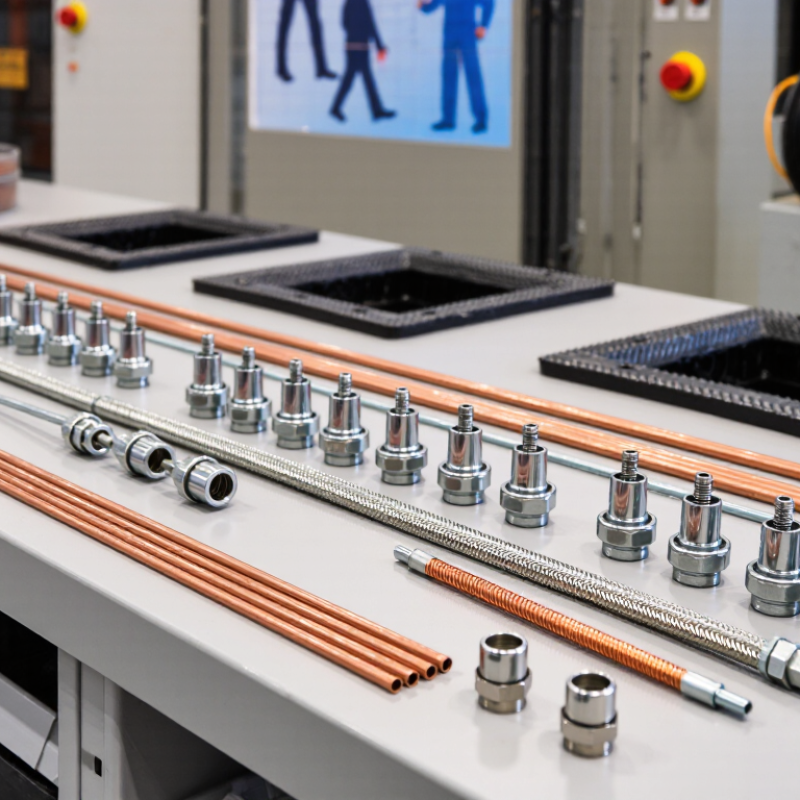
What Grounding Accessories Are and Why They Matter in 2026
Grounding accessories connect electrical equipment to an earthing system. Common parts include earth rods, grounding clamps, bonding jumpers, test links, lugs, and inspection boxes. Each part helps create a controlled path for fault current, static discharge, or surge energy. Without dependable grounding, a damaged cable may leave dangerous voltage on a metal enclosure. The risk is often invisible until equipment fails or someone touches it.
In 2026, global buyers need more than attractive packaging or impressive conductivity claims. Materials must suit the installation environment. Copper performs well, while corrosion-resistant alloys may better withstand coastal air, wet soil, or industrial pollution. Clamps should grip firmly without cutting the conductor. Connections also need proper tightening and periodic testing. A heavy component is not automatically a better component. That assumption deserves more careful review. Local electrical codes, soil conditions, conductor sizes, and system design should guide every purchase.
Tips: Check material compatibility before combining metals. Request test reports, dimensional drawings, and traceable batch information. Inspect threads, contact surfaces, and protective coatings before installation. After installation, measure resistance with suitable equipment and record the result. Recheck connections after severe weather, construction work, or noticeable corrosion. Small inspection boxes can prevent large maintenance problems. Budgeting only for the accessory can be misleading; tools, labor, testing, and future access also affect reliability.
When comparing grounding accessories for different applications, start with the fault path, not the product shape. A rooftop solar array may need corrosion-resistant bonding clips, while a data center requires low-impedance connections and reliable equipotential bonding.
IRENA’s Renewable Capacity Statistics 2025 recorded 585 GW of renewable capacity added worldwide in 2024. This growth increases demand for grounding components exposed to sunlight, moisture, vibration, and thermal cycling.
A rooftop solar array may need corrosion-resistant bonding clips, while a data center requires low-impedance connections and reliable equipotential bonding.
For industrial sites, compare short-circuit current ratings, conductor compatibility, installation torque, and inspection access. IEEE Std 80 emphasizes step and touch voltage control in substations, where a small design error can create dangerous surface voltage.
IEC 60364-5-54 also guides protective conductors and earthing arrangements for low-voltage installations. These references matter more than a simple “heavy-duty” label. Check soil resistivity, expected fault current, and local corrosion conditions. Stainless hardware may suit coastal locations, but material pairing still deserves attention.
Field experience shows that installation quality often decides performance. A clean contact surface, correct tightening, and visible inspection point can prevent hidden resistance.
The U.S. Bureau of Labor Statistics recorded 145 fatal occupational injuries from exposure to electricity in 2022, showing why verification cannot be treated as paperwork.
Measure continuity and grounding resistance after installation, then repeat testing during maintenance.
My comparison checklist is not perfect; unusual soil, paint layers, or loose fasteners can change the result. The cheapest accessory is rarely the lowest-cost choice after rework.
Global buyers should treat grounding accessories as a safety system, not a catalog category. The key checks are fault-current capacity, corrosion resistance, mechanical strength, and verified compatibility. IEC 60364-5-54:2011 addresses earthing arrangements, protective conductors, and connections. Its guidance makes material selection important where soil moisture and dissimilar metals accelerate corrosion. IEEE Std 80-2013 models tolerable body current using a 50 kg person and fault-clearing time. That detail matters. A rod, clamp, or bonding jumper must support the site’s actual prospective fault current. Copper-plated steel may suit one soil profile, while bare copper can perform differently elsewhere. Do not assume “universal” means universally safe.
NFPA 70, 2023, Table 250.122 links equipment grounding conductor size to overcurrent protection. At 100 amperes, the table lists 8 AWG copper. At 200 amperes, it lists 6 AWG. Installation conditions still apply. UL 467 evaluates grounding and bonding equipment for construction and performance requirements. Global purchasers should request current test reports, material certificates, torque ranges, plating thickness, and temperature ratings. Check thread fit with gloves on. Inspect the joint after rain, vibration, and thermal cycling. A certificate alone is not enough. Packaging can hide weak threads or mixed metals. I would also question unclear test dates; standards change, and suppliers sometimes present old documents as current. That small doubt deserves a second review.
Choosing the best grounding accessories in 2026 depends on the worksite, not only the product price. A grounding clamp suits temporary connections on clean metal surfaces. Grounding rods work better where soil conditions support stable earth contact. For construction sites, flexible bonding cables help connect panels, generators, and metal frames. They should have durable insulation and visible identification.
Different environments need different protection. In workshops handling electronic components, ESD wrist straps, heel straps, and conductive mats reduce static discharge risks. In damp outdoor areas, corrosion-resistant clamps and sealed cable connections are more practical.
Agricultural sites may need robust rods and heavy-duty cables because soil, dust, and equipment movement create extra stress. Keep it simple. Match the accessory to the hazard.
From practical inspections, loose connections cause more trouble than undersized equipment. Check contact pressure, cable damage, surface rust, and continuity before operation. A simple continuity tester can reveal a weak path. However, testing one point is not enough; inspect the complete grounding route.
I have seen excellent cables fail because a painted surface blocked metal contact. That detail is easy to miss.
Buyers should request material specifications, temperature ratings, test records, and installation guidance. Local electrical requirements still matter, and a qualified professional should verify the final setup. Some recommendations remain uncertain because soil resistance and working conditions change throughout the year.
2026 Best Grounding Accessories for Global Buyers?
How to Select Reliable Suppliers and Manage Global Purchasing Risks
Buying grounding clamps, bonding straps, and earth rods requires more than comparing prices. A reliable supplier should explain material grades, coating thickness, current capacity, and installation limits. Ask for recent test reports, batch records, and clear product drawings. Generic certificates are not enough. The document should match the exact model and shipment.
Request samples before placing a large order. Check thread fit, surface finish, compression strength, and corrosion resistance. For outdoor projects, review salt-spray results and sealing details. An experienced purchasing team can also inspect production lines, calibration records, and final packaging. Small details matter. A loose carton can damage plated parts during ocean transport.
Global purchasing adds risks beyond product quality. Confirm the supplier’s legal registration, export experience, payment terms, and responsibility for defective goods. Use independent inspections when order value is high. Clarify delivery terms, insurance, customs documents, and local electrical requirements in writing. Different markets may require different testing or labeling. Never assume one approval works everywhere.
I have seen teams approve attractive samples, then receive inconsistent production batches. That mistake is easy to repeat. A signed specification, approved sample, and inspection plan reduce uncertainty. Still, no process removes every risk. Currency changes, port delays, and unclear communication can affect the final cost. Keep a second qualified source when the project cannot tolerate interruptions.
Material conductivity benchmark for screening grounding rods, conductors, clamps, and bonding accessories.
Higher IACS conductivity generally supports lower electrical resistance, but it should not be the only purchasing criterion. Global buyers should also verify applicable standards, corrosion protection, mechanical strength, connection compatibility, factory test records, traceability, and delivery reliability.
Reference: International Annealed Copper Standard (IACS) and typical engineering reference values at 20°C. Actual conductivity varies by alloy, purity, temper, coating, and product construction.
