
In the fast-evolving manufacturing sector, the need for efficient "decoiling machine cut to length" solutions is more critical than ever. According to a recent industry report by Global Market Insights, the decoiling machine market is projected to grow at a CAGR of 5.2% over the next five years. This growth highlights the increasing demand for precision in cutting and processing materials.
Industry expert Dr. Elizabeth Chen, who specializes in manufacturing technologies, states, “Investing in advanced decoiling solutions can significantly enhance production efficiency.” Her insights reflect the challenges businesses face in meeting precise production standards while minimizing waste. The right decoiling machine not only streamlines processes but can also improve product quality.
However, selecting the best decoiling machine for specific industry needs may present difficulties. Companies often grapple with balancing cost and functionality. Additionally, not all machines meet the high expectations set by industry standards. Reflecting on these factors can lead to better decision-making, ensuring that investments in decoiling technology yield the desired outcomes in terms of efficiency and production quality.
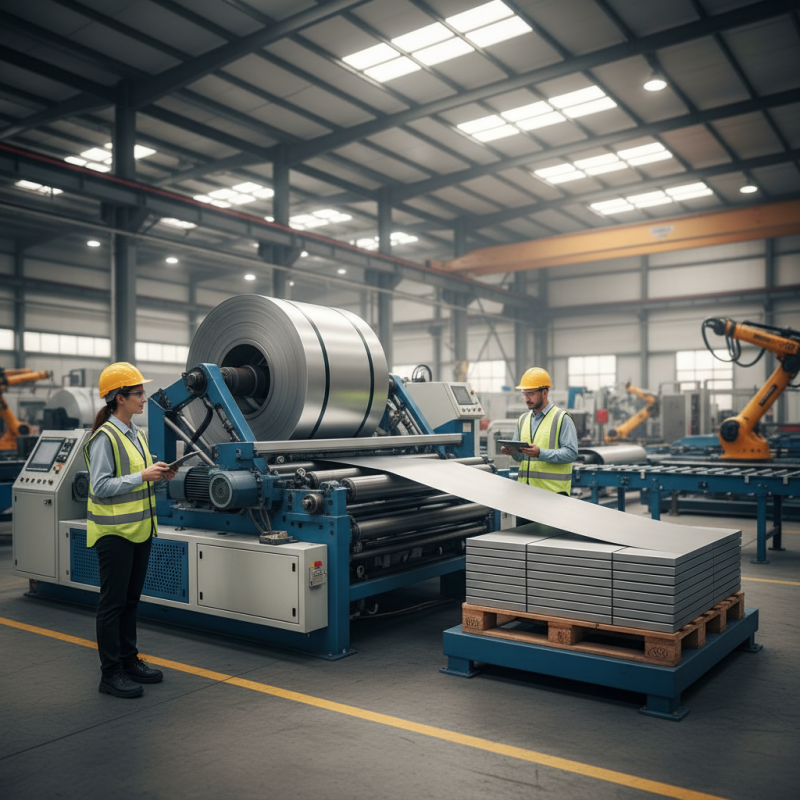
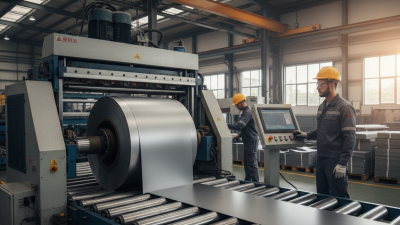
Decoiling machines play a crucial role in various industries. They unwind coiled materials, making them easier to handle and process. These machines ensure a smooth flow in production lines by providing the required lengths of material. Without them, handling large coils becomes cumbersome and inefficient.
The importance of decoiling machines cannot be overstated. They improve productivity and reduce waste. However, choosing the right machine requires careful consideration. There are various types available, each suited to different materials and applications. This diversity can create confusion. Are all features necessary? Sometimes, simpler machines may suffice.
Operational issues can arise as well. Machines can jam or malfunction, causing delays. Maintenance is essential, yet often overlooked. A machine that's not regularly serviced may underperform over time. This highlights the delicate balance in the industry—between efficiency and reliability. Understanding these factors can lead to better decisions in selecting a decoiling solution for specific needs.
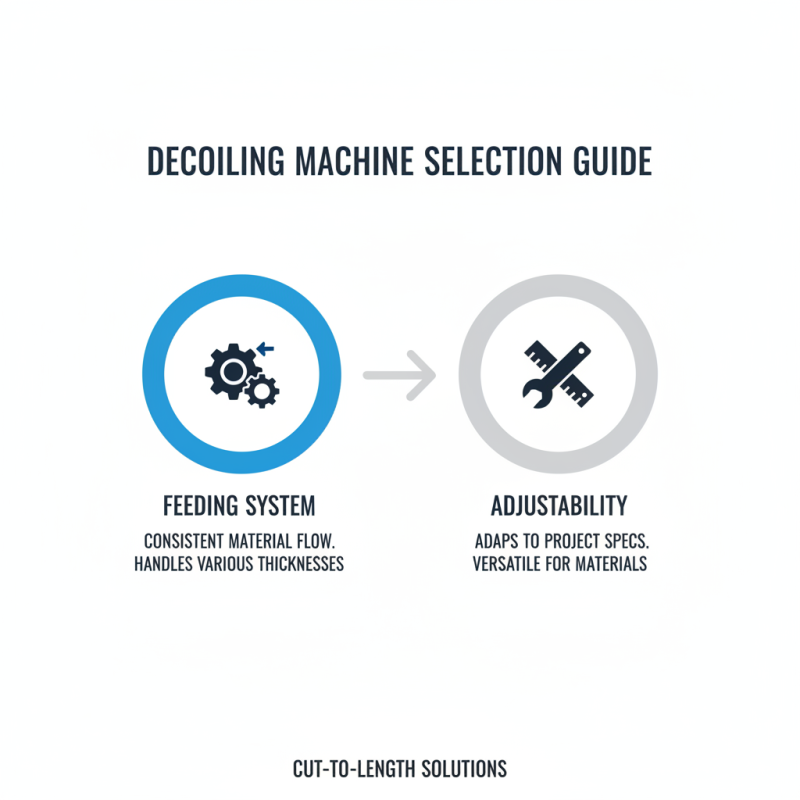
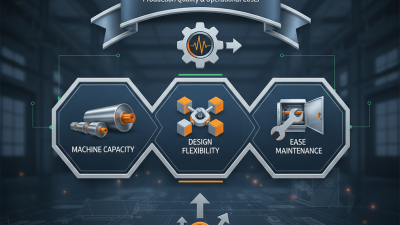
When selecting a decoiling machine for cut to length solutions, there are key features to consider. The feeding system is crucial. A reliable feed mechanism ensures consistent material flow. It can handle various material thicknesses. The adjustability of the machine is another important factor. Different projects require different specifications. An adjustable machine can accommodate these needs more effectively.
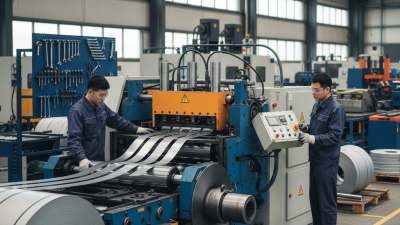
Another essential feature is the precision of the cut. Accurate measurements are vital for minimizing waste. Look for machines with advanced cutting technology to enhance precision. Safety features cannot be overlooked. Operators must work in a secure environment to prevent accidents. Machines equipped with safety guards and emergency stop buttons provide peace of mind.
Lastly, consider the overall durability of the machine. Machines should withstand heavy use over time. Corrosion-resistant materials are ideal for longevity. Sometimes, cheaper options may seem appealing. However, investing in quality will often result in fewer operational problems. Reflect on these aspects before making a decision. Effective machines can significantly improve production efficiency, making them worth the effort to research thoroughly.
When choosing a decoiling machine for 2026, it’s essential to consider specific industry needs. Each machine has unique features that cater to different materials and applications. A comparative analysis reveals key differences in speed, accuracy, and capacity. Some machines excel in high-speed operations, while others focus on precision cuts. Understanding these distinctions can guide your selection process.
Tips: Look for machines that offer flexibility. Adaptable features can save time and costs. Additionally, consider the machine's maintenance needs. Regular upkeep can prevent unexpected downtime and extend the machine's life.
Some machines may fall short in user experience. Controls can be complex and intimidating. Investing in training is crucial for maximizing efficiency. Don't overlook the importance of a supportive customer service system, which can aid in troubleshooting and provide valuable insights for improvement. Being attentive to these factors can lead to better operational outcomes.
Decoiling machines play a vital role in various industries. They transform coils of metal into flat sheets. This process is essential for manufacturing applications. For instance, in the automotive sector, these machines help produce parts with precise dimensions. They ensure that the metal is cut to length smoothly and accurately. Without proper decoiling, production delays can occur.
In construction, decoiling machines provide essential support. They help create metal sheets used for roofing and siding. Accurate length cuts save time and reduce waste. Every industry has its unique challenges that these machines can address. However, not all decoiling machines meet the same standards. Sometimes, machines fail to adapt to diverse material types. This can lead to inefficiencies and product inconsistencies. Understanding the specific needs of each industry is crucial for optimal performance.
Overall, selecting a decoiling machine requires careful consideration. Each application has its specific demands. Knowing the right solutions can streamline operations. Investing in adaptable machines is a step toward efficiency. Nonetheless, reflection on existing processes is important. Continuous improvements ensure that tools evolve with changing industry needs.
The decoiling industry is on the brink of significant advancements. As production demands increase, so does the need for efficient decoiling solutions. Reports estimate that the global decoiling machine market will reach $1.2 billion by 2025, reflecting a compound annual growth rate of 7.5%. This growth is largely driven by innovations in automation and smart technology.
Future trends show a shift towards more integrated systems. These systems are designed to synchronize with upstream and downstream processes. For example, automatic coil loading and unloading can drastically reduce cycle times. However, the industry still faces challenges. Many manufacturers struggle with the initial costs of implementing advanced decoiling technologies. Furthermore, the integration process can be complex, leading to operational disruptions.
Data suggests that implementing smart decoiling solutions can improve productivity by up to 30%. This efficiency is crucial in today’s fast-paced market. Yet, there are limitations. Not all facilities can accommodate advanced systems. Maintenance and training remain barriers that need addressing. As we look ahead, the focus must be on balancing innovation with accessibility to ensure widespread adoption.